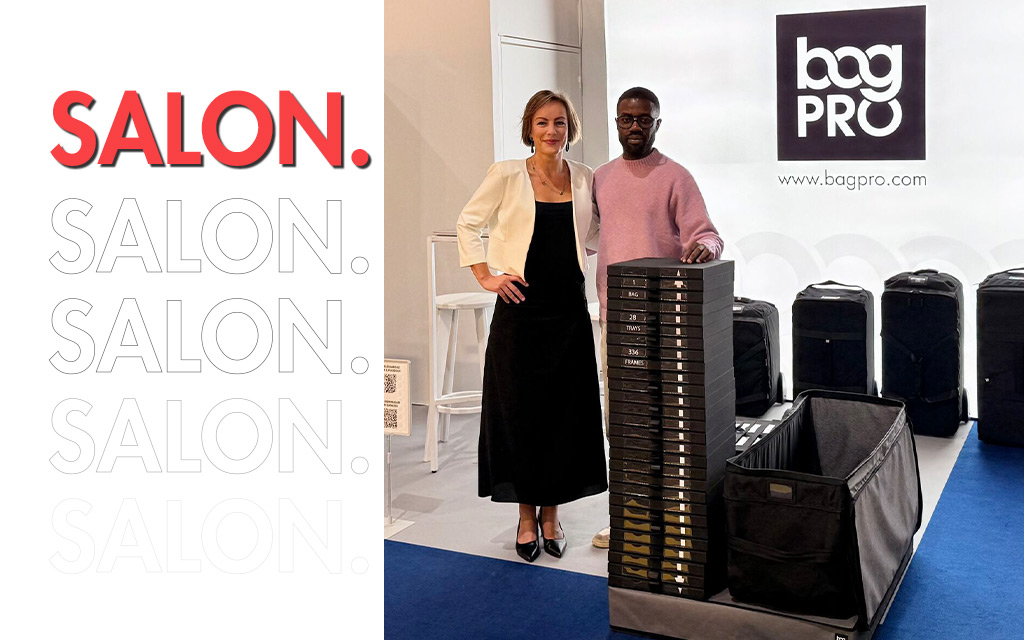
The optical industry is constantly evolving, with increasing demand for precision equipment and fragile devices used by professionals in the field: mobile opticians, optometry technicians, or specialist sales staff. Whether for customer visits, product demonstrations or on-site interventions, optical professionals regularly have to transport sensitive and expensive equipment. Bag PRO has positioned itself as a strategic partner for these frequent trips, offering luggage solutions tailored to the specific needs of the optical industry, ensuring both safety and practicality.
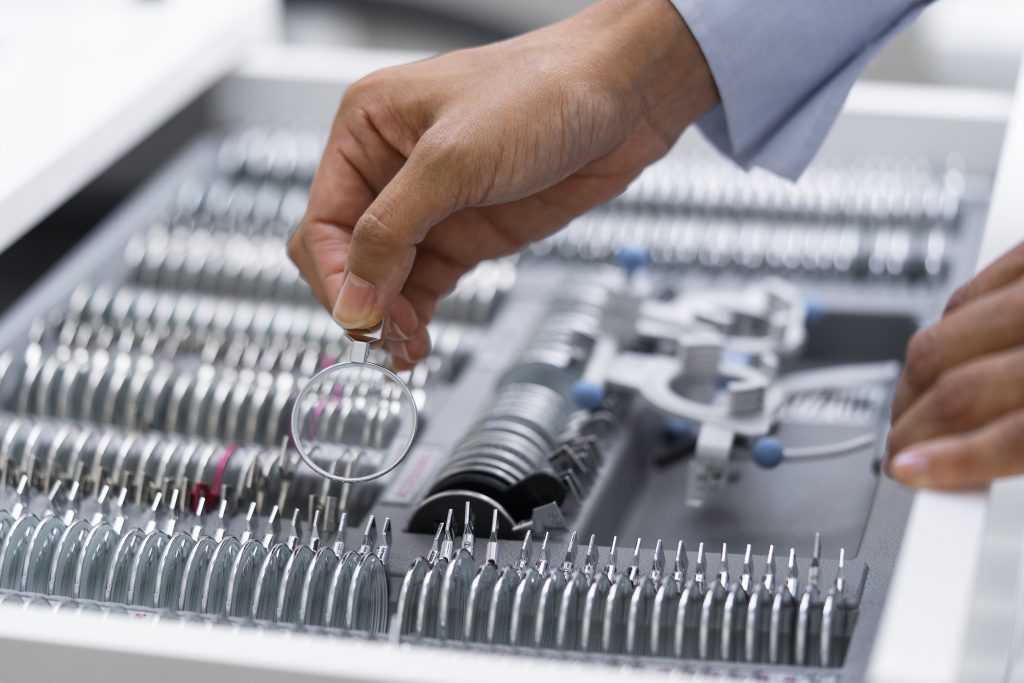
Key figures for the optical sector
- A majority of optical professionals report frequent journeys with their equipment, necessitating appropriate transport solutions”.”
- The global market for optometric equipment represents around 16.6 billion in 2022, with forecast annual growth of 6,4 % by 2030. This expansion is generating an increased need for suitable transport solutions for this equipment.
- In a professional context, 1 optical device in 5 suffers damage when on the move, mainly due to knocks or careless handling.
Source : PW Consulting / The Insight Partners / Coherent Market Insights
Issues
The problem of transporting optical equipment is based on a central challenge: how can we ensure the safety and integrity of our equipment while guaranteeing optimum organisation for frequent travel? This equipment, which is often heavy and fragile, requires transport solutions that are both robust and ergonomic, and capable of protecting the devices from shocks and bad weather. The search for suitable solutions is therefore becoming crucial for professionals in the sector, who run the risk of incurring significant financial losses in the event of damaged equipment.

The proposed solution
The problem of transporting fragile optical equipment involves a number of our standard solutions from different sectors, such as reinforced luggage for the construction industry and wheeled bags for the textile industry. Thanks to this diversity of tried and tested products, we are able to respond to the specific needs of the optical sector with flexible and effective solutions.
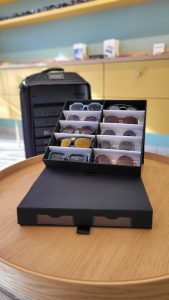
However, it's our expertise in bespoke design that makes the difference: by working closely with our customers, we can tailor each product for maximum protection and practicality, and create bespoke solutions that are fully aligned with the unique requirements of optical equipment movements. This customisation process ensures not only the safety of fragile instruments, but also ergonomics and ease of use for professionals in the sector on a daily basis.
Le PRO G. is particularly well-suited to transporting optical equipment, thanks to its versatile design and adjustable compartments. This sturdy bag can be adapted to hold optical equipment securely, incorporating customisable dividers and padding for optimum protection against impact. This flexibility makes it an invaluable ally for professionals in the sector, allowing both diagnostic tools and product samples to be transported, while ensuring efficient organisation.
What's more, by working with our teams, you can personalise the PRO G. to meet the specific needs of each user: interior layout options, additional reinforcements, and ergonomic solutions for frequent travel. Thanks to this ability to adapt, Bag PRO transforms a standard product into a made-to-measure solution, fully aligned with the requirements of optical professionals.
How are things with us?
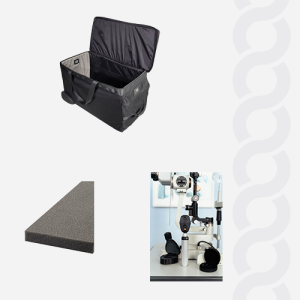
When we organise a tailor-made project, the process starts with a key stage: the creation of a specifications in close collaboration with our sales team and the customer. This document forms the basis of the project, listing every functional and technical requirement to ensure that the final product perfectly meets the customer's expectations. Particular attention is paid to BINEX (Unsatisfied Non-Expressed Need.), ensuring that all essential aspects of the product are identified and detailed.
These specifications also specify all the deliverables and draws up a roadmap to ensure that each stage of the project is well documented and that the final product meets all the customer's functional and aesthetic requirements. Based on this meticulous work, a product simulation is carried out, followed by a prototype which allows the customer to visualise and test the proposed solution. This prototype is submitted for validation before the final design is launched, providing a guarantee that the finished product will be perfectly in line with expectations.